What to Buy in Marmaris: 12 Souvenirs Worth Bringing Home

 React
Walk through the Grand Bazaar on a summer evening and you will be offered the same things a hundred times: towels, lamps, “genuine fake” watches, evil-eye bracelets. Some of it is lovely, some of it you could buy in any Turkish resort, and a few things are genuinely from here.
After nine years here, my rule is simple: bring home something with a real connection to the region, at a fair price, that will survive the flight. This guide covers the twelve souvenirs I recommend most, what they cost in 2026, where to find them and how to tell a local product from a mass-produced one.
Prices at a glance
| Souvenir | 2026 price | Approx. USD |
|---|---|---|
| Marmaris pine honey, 1 kg | 900-1,750 TL | $18-35 |
| Turkish delight (lokum), 1 kg | 400-800 TL | $8-16 |
| Spices or herbal tea, 100 g pack | 50-150 TL | $1-3 |
| Extra-virgin olive oil, 1 litre (supermarket) | 250-570 TL | $5-12 |
| Peştemal (Turkish towel) | 250-500 TL | $5-10 |
| Olive oil soap, ceramics, evil-eye charms | from ~100 TL | from ~$2 |
| Leather jacket | €100-250 | $112-280 |
Prices vary by shop, quality and season, and bazaar prices are always open to negotiation. Use these figures as a guide to what is fair.
The 12 best things to buy
1. Pine honey (çam balı)
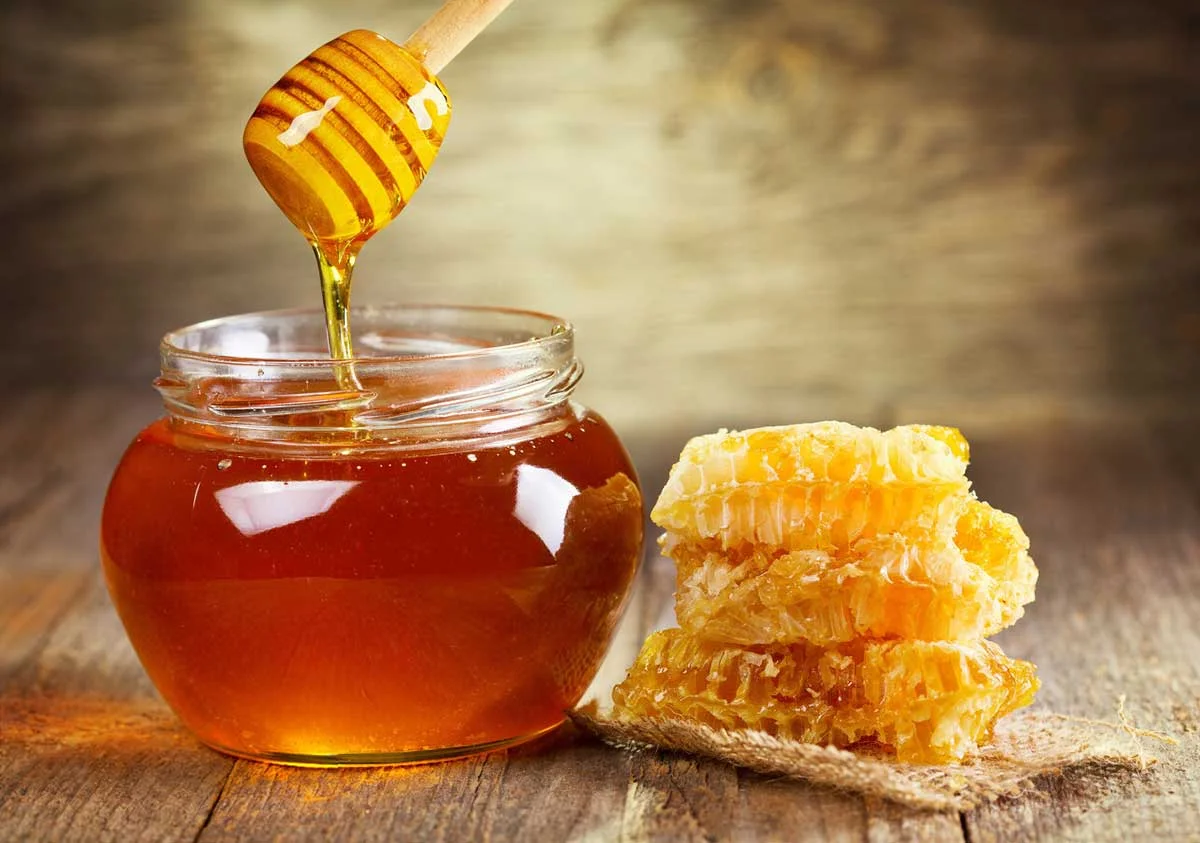
If you buy one food souvenir, make it pine honey (çam balı). Most of the world’s pine honey comes from this corner of Turkey. Bees collect honeydew left on the red pines by a tiny insect, which gives the honey its dark colour, low sweetness and slightly resinous taste. It crystallises far more slowly than flower honey, so it travels well.
The local pine honey has a registered geographical indication, so look for a label that names the producer, origin, weight and batch. A jar that simply says “Marmaris” on the front is not proof of where it was made. In 2026, a 1 kg jar cost around 900-1,750 TL ($18-35) depending on the producer and whether it is comb or strained honey. Buy sealed jars from a dedicated honey shop or straight from a beekeeper rather than from a souvenir stall.
2. Local jams
The Turkish tourism ministry’s own shopping advice for Marmaris is short and to the point: do not leave without local honey and jam. Fig, bitter orange, quince and rose jams are all worth looking for, and they make a good gift for anyone who does not eat honey. Check the label for the fruit, producer and weight, and wrap glass jars well.
3. Olive oil and olives
The Muğla region produces excellent olive oil, though not all of it comes from Marmaris itself. Choose a sealed bottle or tin that names the producer, origin and harvest date. As a benchmark, supermarket extra-virgin olive oil costs around 250-570 TL ($5-12) per litre in 2026; small-producer oils sold in the bazaar are usually more. Olives are easier to pack than oil; ask the seller to vacuum-seal them if possible.
4. Olive oil soap
Light, cheap and useful, olive oil soap is one of the easiest gifts to fit in a suitcase. Handmade bars start from around 100 TL ($2). Check the ingredients and weight, as bars that look the same can be very different in size and quality. Soaps scented with laurel, lavender or goat’s milk are popular.
5. Turkish delight
A box of lokum is the classic Turkish gift. In 2026, Turkish delight cost around 400-800 TL ($8-16) per kilo, with pistachio and rose varieties at the top of the range. Ask to taste before you buy; fresh lokum is soft and chewy, not hard. A local tip: supermarkets sell good-quality boxed lokum at fixed prices, often cheaper than the bazaar.
6. Spices and herbal teas
Spices are light, colourful and easy to carry. Look for sumac, Aleppo chilli flakes (pul biber), thyme and sage, all common in Aegean cooking, as well as pomegranate or apple tea. Packs of 100 g cost around 50-150 TL ($1-3). Buy sealed packs if you are flying, and be wary of very cheap “saffron”, which is usually safflower.
7. Turkish coffee and a coffee set
A packet of finely ground Turkish coffee and a small copper cezve (coffee pot) make a practical gift. Decorative cup sets are widely sold in the bazaar. Check whether a set is meant for use or only for display, and inspect cups for chips before paying.
8. Needle lace (iğne oyası)
Needle lace is one of the most distinctive handicrafts to look for here, and the tourism ministry singles it out in its Marmaris shopping advice. Traditionally used to edge headscarves, these tiny, intricate flowers and patterns are now sold as scarves, jewellery and decorations. Ask who made the piece; buying from a named maker means your money goes to the person who spent hours on it.
9. Peştemal towels
A peştemal is the thin, flat-woven cotton towel traditionally used in the hamam. It dries quickly, folds small and doubles as a beach towel, scarf or tablecloth. Prices in 2026 are around 250-500 TL ($5-10). Feel the fabric: good-quality peştemal is 100% cotton (or cotton and linen) and gets softer with every wash.
10. Leather
Leather jackets, bags and belts are sold all over the bazaar. Quality varies a lot, and so do prices: in 2026, jackets cost around €100-250 ($112-280). Check the stitching, lining and zips, and do not be rushed. A good shop will alter a jacket to fit within a day or two.
11. Ceramics, copper and evil-eye charms
Hand-painted bowls, tiles, copper trays and the blue nazar (evil eye) charms are everywhere. Small pieces start from around 100 TL ($2). Most of these are made elsewhere in Turkey and sold here, so treat them as Turkish rather than Marmaris souvenirs. Ask the shop to wrap ceramics well and carry them in your hand luggage. Fridge magnets, the small classic, are sold in every gift shop for very little.
12. A mosaic lamp you make yourself
The colourful Turkish mosaic lamps hanging in every bazaar doorway are tempting, but a lamp you make yourself is a far better memory. A traditional mosaic lamp or candle holder workshop takes a couple of hours, and you leave with a one-of-a-kind souvenir. It is also a good activity for a hot afternoon or a rare rainy day.
Where to shop
The Grand Bazaar. The covered bazaar in the town centre, below the castle and a few minutes from the marina, is the main shopping area for gifts, textiles, leather, jewellery and ceramics. In summer most shops open from around 10:00 until midnight, and the evenings are the most pleasant time to browse. Haggling is expected here.
The Thursday market. The big weekly market takes place every Thursday in Armutalan. This is where locals buy fruit, vegetables, cheese, olives and household goods, and visitors hunt for textiles and spices. Go early, between 8 and 11 a.m., before the heat and the crowds.
The women producers’ market (Hanımeli Pazarı). The municipality’s market for local women producers, held at the central market area, is the best place for homemade jams, pastes, pickles and handicrafts. It has been held on Tuesdays; check the current day locally, especially outside the summer season.
Honey and producer shops. For pine honey and other food products, specialist honey shops and producers’ outlets offer labelled, sealed products and can tell you exactly where the honey comes from.
Supermarkets. For Turkish delight, spices, tea, coffee and olive oil, supermarkets offer fixed prices and decent quality. They are the easiest place to stock up on edible gifts on your last day.
How to haggle in the bazaar
- Only haggle for things you actually want. Starting a negotiation and walking away at the agreed price is considered rude.
- Start at around 30-40% below the first price and meet somewhere in the middle.
- Stay friendly and take your time. Accepting a glass of tea does not mean you have to buy.
- Paying in cash can earn a further discount.
- Do not haggle at fixed-price shops, supermarkets or the produce market.
For more on money, cards and avoiding tourist traps, see my Marmaris travel tips.
Getting your souvenirs home
- Liquids go in checked luggage. Honey, olive oil and jams count as liquids, so pack them in your hold bag, wrapped in clothes or a sealed bag.
- Check your home country’s rules. Many countries restrict bringing in honey, cheese, meat and other animal products, even in small amounts. Check before you buy large quantities.
- Skip the fakes. “Genuine fake” bags, watches and sportswear are sold openly in the bazaar, but many countries treat them as counterfeits, and they can be confiscated at customs.
- Keep your receipts, especially for leather and larger purchases.
- Antiques need paperwork. Taking genuine antiques out of Turkey requires official permission. Buy only from reputable dealers who can provide documents.
Frequently asked questions
What is Marmaris famous for buying? Pine honey above all. The region produces most of the world’s pine honey, and Marmaris pine honey has a registered geographical indication.
What are the best cheap souvenirs from Marmaris? Olive oil soap, spices, herbal teas, evil-eye charms and fridge magnets, most for under 150 TL ($3).
Can you haggle in Marmaris? Yes, in the Grand Bazaar and souvenir shops. Not in supermarkets, pharmacies or the produce market.
When is market day in Marmaris? The main weekly market is on Thursday in Armutalan. The women producers’ market has been held on Tuesdays in the centre.
Can I take honey home on the plane? Yes, in your checked luggage. Check your own country’s import rules for honey and other food products before buying large amounts.
Before you go shopping
The best souvenir is one whose origin and price you understand before you leave the shop. Combine a slow evening in the bazaar with a walk up to the castle and along the marina, past the Atatürk Statue, and for more ideas on how to spend your days, see our guide to things to do in Marmaris and the Marmaris Travel Guide.