What to Eat in Marmaris?


 React
ReactWhere pine forests lean over turquoise coves, Marmaris serves a kitchen that is bright, clean, and confident. Sitting at the meeting point of the Aegean and the Mediterranean, the town blends olive oil cookery with the day’s freshest catch in a way that feels effortless. Markets brim with fragrant herbs and seasonal vegetables, fishermen bring in gleaming crates at dawn, and the region’s famous pine honey sweetens long breakfasts. If you are asking what to eat in Marmaris, the answer lives in unfussy plates that let good ingredients speak. This Marmaris food guide introduces local dishes, desserts, and drinks with a traveler’s eye and a local’s appetite, so you can taste the town the way it is meant to be tasted. Along the way you will find notes on origins, preparation, serving styles, and the place each item holds around local tables.
Cokertme Kebab: The City’s Signature Classic
Wafer thin strips of beef or lamb meet a bed of crisp shoestring potatoes and cool garlicky yogurt for a plate that is both comforting and lively. The meat is quickly seared in butter, then dressed with a bright tomato sauce that ties everything together without weighing it down. Each bite balances contrasting textures, with the crunch of potatoes playing against the silk of yogurt. Locals treat it as a festive dish, and portions are generous enough to anchor a leisurely seaside dinner. A sprinkle of parsley and a few pickled peppers on the side make the flavors leap. If you want a single dish that summarizes Marmaris local dishes, this is a strong contender.
Where to try it
- Family run eateries in the old bazaar
- Grill houses along İçmeler beach
- Harborfront taverns near the marina
Keskek: Slow Cooked Celebration Food
Keşkek is the taste of patience, a rustic stew of wheat and meat beaten to a creamy harmony in large cauldrons. Traditionally served at weddings and holidays across Muğla, it is finished with a spoonful of butter tinted red with pepper flakes. The result is soothing and deep, with a velvety body that clings to the spoon. It is often paired with pickles and a simple seasonal salad to cut the richness. On cooler evenings, it warms you from the inside out and speaks to the region’s communal spirit. For anyone compiling a Marmaris food guide, keşkek explains why slow cooking still matters.
Where to try it
- Classic tradesmen’s diners in the town center
- Family kitchens on village roads toward Kızkumu
- Small canteens near the bus station serving daily specials
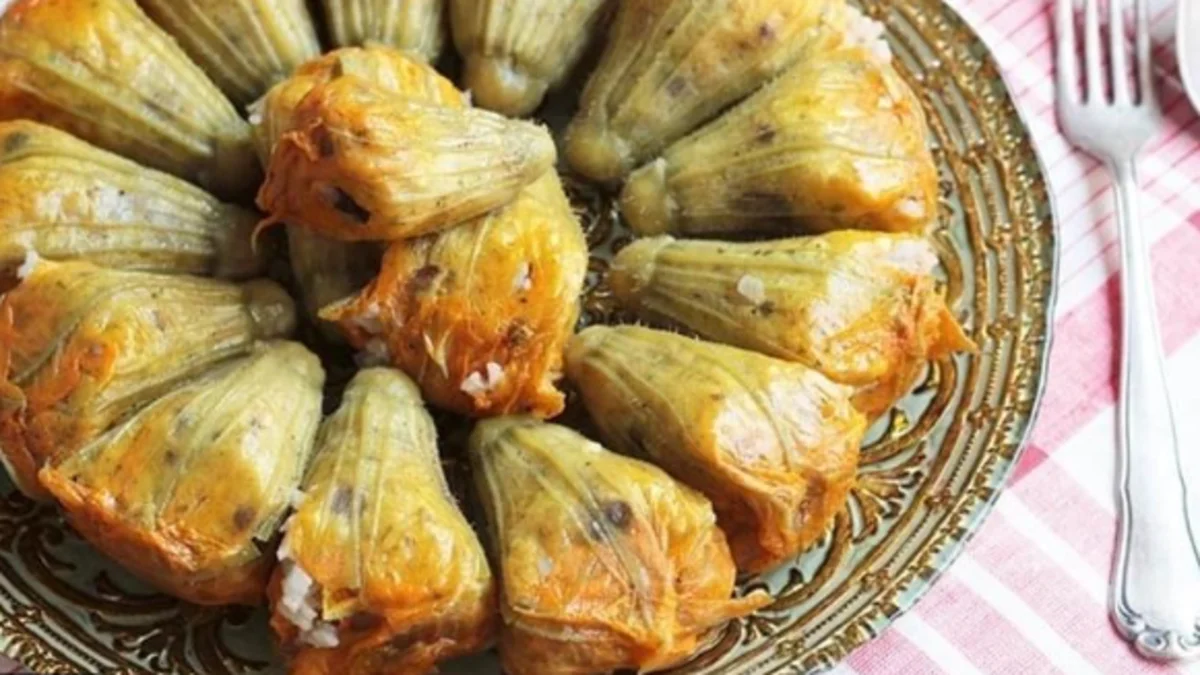
Stuffed Zucchini Flowers: Morning Picked Elegance
These delicate courgette blossoms are gathered at first light, filled with a fragrant rice and herb mixture, then gently simmered in olive oil. Served cool, they show off a lemony freshness and the fruity roundness of the oil. The texture is tender but not mushy, and the aromatics rise with every bite. Travelers who prefer lighter plates love this as a starter or a standalone lunch. A drizzle of extra lemon or a spoon of thick yogurt completes the picture. It captures the essence of Aegean produce without excess.
Where to try it
- Home style kitchens near neighborhood markets
- Tiny family places in Turunç cove
- Meze forward restaurants along the Selimiye promenade
Deniz Börülcesi: A Breeze on the Plate
This coastal succulent is blanched, then dressed with lemon, garlic, and olive oil for a briny, refreshing meze. Its gentle salinity echoes the sea air and becomes more complex as you chew. When it is in season the color is vivid green and the stems snap cleanly. It is a natural partner to grilled or steamed fish, adding lift without stealing the show. Some local chefs add toasted sesame or crushed almonds for a soft crunch. It is a small plate that leaves a long memory.
Where to try it
- Mezze led taverns all along the marina
- Shoreline eateries in Bozburun
- Compact meze bars tucked in the old bazaar
Levrek Buğulama: Steamed Sea Bass, Pure and Simple
Fresh sea bass is layered with onions, tomatoes, bay leaves, and a thread of olive oil, then gently steamed until the white flesh turns silky. The method preserves sweetness and moisture, so the fish flakes with a nudge of the fork. A squeeze of lemon wakes up the aroma, and the broth is ideal for dipping crusty bread. Pair it with rocket salad for a clean, balanced table. On calm evenings with the water like glass, this dish feels especially right. It is restraint in delicious form.
Where to try it
- Fish restaurants in Turunç and Selimiye
- Family operated spots on İçmeler beach
- Old school meyhanes near the central harbor
Kalamar Tava: Crisp Outside, Tender Inside
Calamari rings are dusted in a light flour mix and fried fast at high heat until golden. The coating shatters delicately, while the interior stays gentle and springy rather than rubbery. A garlicky yogurt dip or a lemony sauce is the usual companion. Served piping hot, it carries a faint sea perfume that draws hands to the plate. It is the kind of sharing starter that disappears before the mains arrive. For a casual evening by the water, this is hard to beat.
Where to try it
- Seafood eateries near the yacht marina
- Quiet seaside restaurants in Bozburun and Söğüt
- Tavern lined lanes around the old harbor
Ahtapot Izgara: Char and Smoke, Sea and Flame
Octopus is first tenderized, then grilled over hot coals until the edges caramelize and the suckers pick up a gentle char. The inside stays juicy, offering a pleasant bounce that rewards slow chewing. A simple dressing of olive oil, lemon, and thyme brings the flavors into focus. Grilled onions and handfuls of herbs make excellent sides. The aroma lands on the table before the plate does, especially on salt kissed evenings. Portions often suit sharing, which is exactly how locals enjoy it.
Where to try it
- Grill focused meyhanes in Selimiye and Söğüt
- Fish taverns in İçmeler and Turunç
- Rooftop terraces with sea views in the center
Otlu Gözleme: Market Day Favorite
Thin hand rolled pastry is folded over a filling of Aegean herbs, white cheese, and sometimes a spoon of fresh curd, then cooked on a convex griddle. The edges crisp while the middle stays moist and aromatic. The scent of mint, dill, and spinach rises as soon as you tear a piece. It makes a satisfying, budget friendly lunch for travelers on the move. Served hot with ayran or strong tea, it hits a nostalgic spot. Simple technique, big payoff.
Where to try it
- Weekend market stalls with sac griddles
- Tiny family run snack shops in the old bazaar
- Village eateries on rural roads out of town
Datça Badem Ezmesi: Almond Paste From Next Door
Just across the peninsula, Datça’s renowned almonds are ground fine and worked with sugar and a little water into a melt in the mouth paste. The aroma is warm and nutty, with a natural oiliness that coats the palate in a pleasant way. Locals gift boxes of it to visitors and bring it out with coffee after dinner. Shapes and sizes vary, but freshness is what counts. When it is right, the texture is tender and the flavor lingers. It is a gentle, elegant sweet.
Where to try it
- Confectioners in the old bazaar
- Gourmet shops by the marina
- Stalls of small scale producers in town
Çam Balı: Pine Honey at Breakfast
Muğla’s emblematic pine honey is the quiet star of long Marmaris breakfasts. Its amber color hints at resinous, woodsy notes that feel different from flower honeys. Drizzled over thick yogurt or spread on warm bread, it blooms with aroma and a long, mellow sweetness. Locals are proud to share it with guests and keep a jar on the table year round. If you like honest, local flavors, this is a must buy. It also travels well as a souvenir.
Where to try it
- Beekeepers’ cooperative shops in nearby villages
- Producer stalls at weekly markets
- Small gourmet grocers around town
Lokma: Bite Sized Joy, Fresh From the Fryer
Tiny yeast dough balls are fried until they glow gold, then dipped in syrup so the exterior turns crackly while the inside stays cloud soft. A dusting of cinnamon or a drizzle of honey sometimes finishes the batch. When made to order, the smell sweeps through narrow streets and draws a cheerful line of customers. It is a social sweet, easy to share and even easier to finish. The light greasiness is kept in check by the syrup’s balance. Strong Turkish coffee is the best partner.
Where to try it
- Street side dessert stands in the old bazaar
- Carts and kiosks near the marina promenade
- Pastry shops around the main square
Koruk Suyu: A Tangy Cooler for Hot Days
Pressed from unripe grapes, koruk juice brings a refreshing, natural acidity to the table. It is served over ice and often brightened with mint leaves, making it perfect alongside olive oil dishes and fried seafood. The tartness lifts richer flavors and resets the palate between bites. On summer afternoons, a glass can feel like a fresh breeze. Travelers who want a clean, additive free drink will appreciate it. It is a local habit worth adopting.
Where to try it
- Traditional diners serving daily olive oil dishes
- Family run cafes along the shoreline
- Simple kiosks by neighborhood markets
Marmaris blends sea and forest in its landscapes and on its plates, so your meals should wander as much as your days do. Start with Çökertme Kebabı for a hearty evening, follow with Levrek Buğulama and Deniz Börülcesi for a lighter seafood spread, then close with Lokma or Datça Badem Ezmesi for something sweet. Long breakfasts with Çam Balı will carry you through beach hours and boat trips, while a late afternoon glass of Koruk Suyu sets you up for sunset. If you are building a list of what to eat in Marmaris or bookmarking Marmaris local dishes for a future visit, let this be your compass. Ready for more planning beyond the plate? Check out the Marmaris Travel Guide and our Places to Visit in Marmaris feature to round out your itinerary.
React